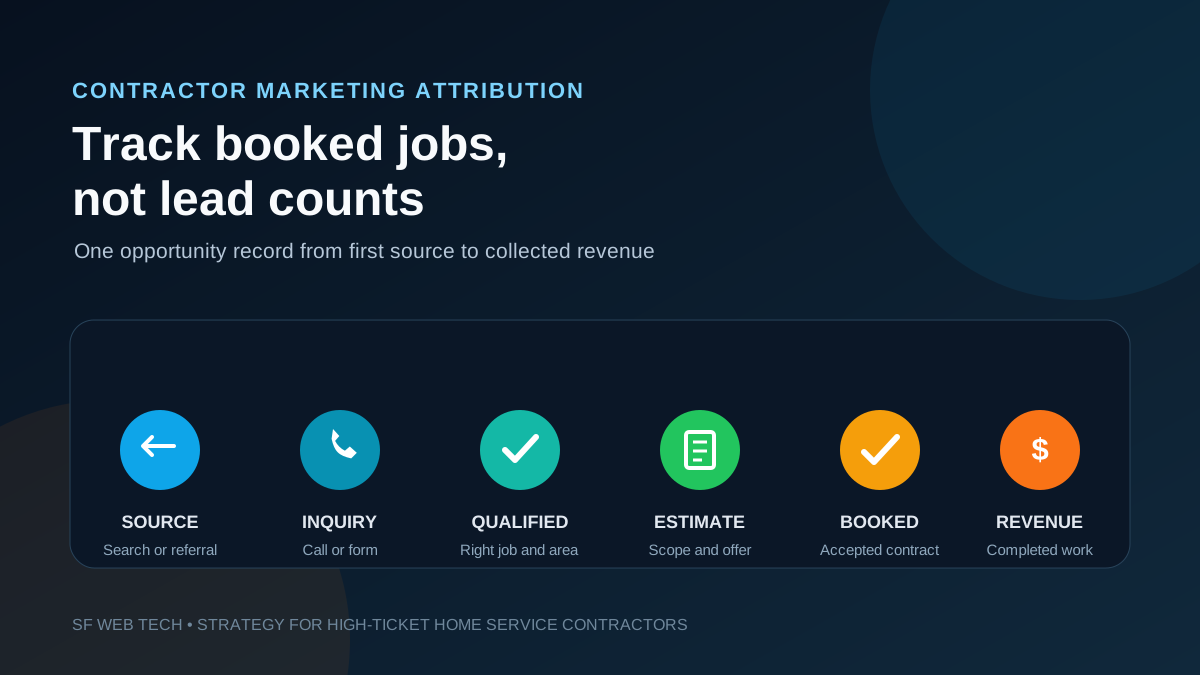
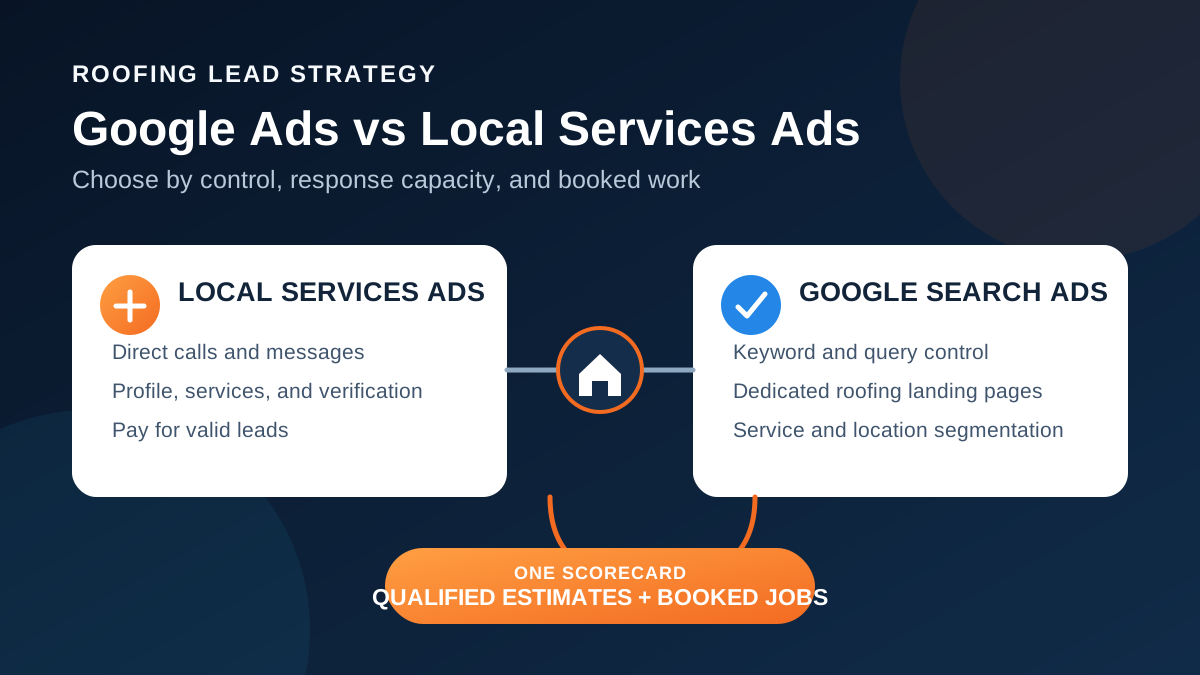
Every contractor eventually hits the same fork in the road. You've got a budget for marketing, a phone that isn't ringing enough, and two letters everyone keeps throwing at you: SEO and PPC. So you ask the natural question: which one should I spend on, SEO or Google Ads? And every salesperson on the planet answers with whichever one they happen to sell.
Here's the straight version. SEO and Google Ads are not really competitors. They're two different tools that solve two different problems on two different timelines. Google Ads is a faucet: turn it on and leads come this week, turn it off and they stop the same day. SEO is a well you dig. Slow, expensive up front, but once it's producing it keeps producing whether or not you spent anything this month. The question isn't 'which is better.' It's 'which problem are you trying to solve right now,' and for most contractors the real answer is both, in the right order.
- Turn it on and leads arrive this week
- Turn it off and they stop the same day
- Pay the auction price on every single click
- Great for filling the calendar fast
- Slow and expensive up front
- Keeps producing whether you spent this month or not
- Cost per lead falls the longer it runs
- Great for a pipeline that survives a slow month
Before you decide where the budget goes, it helps to see what a complete program actually delivers: map-pack dominance, city pages, Google Ads management, and real attribution.
See the full contractor SEO systemHow SEO works for contractors
SEO, search engine optimization, is the work of getting your business to show up in Google's free results when a homeowner searches for what you do. For a contractor that means two specific real estate plays.
Useful content and a well-maintained local presence can continue to support discovery over time. You own the delivered assets, not a search position. Rankings and inquiries can change after services stop, and a prospect who contacts you may also contact competitors.
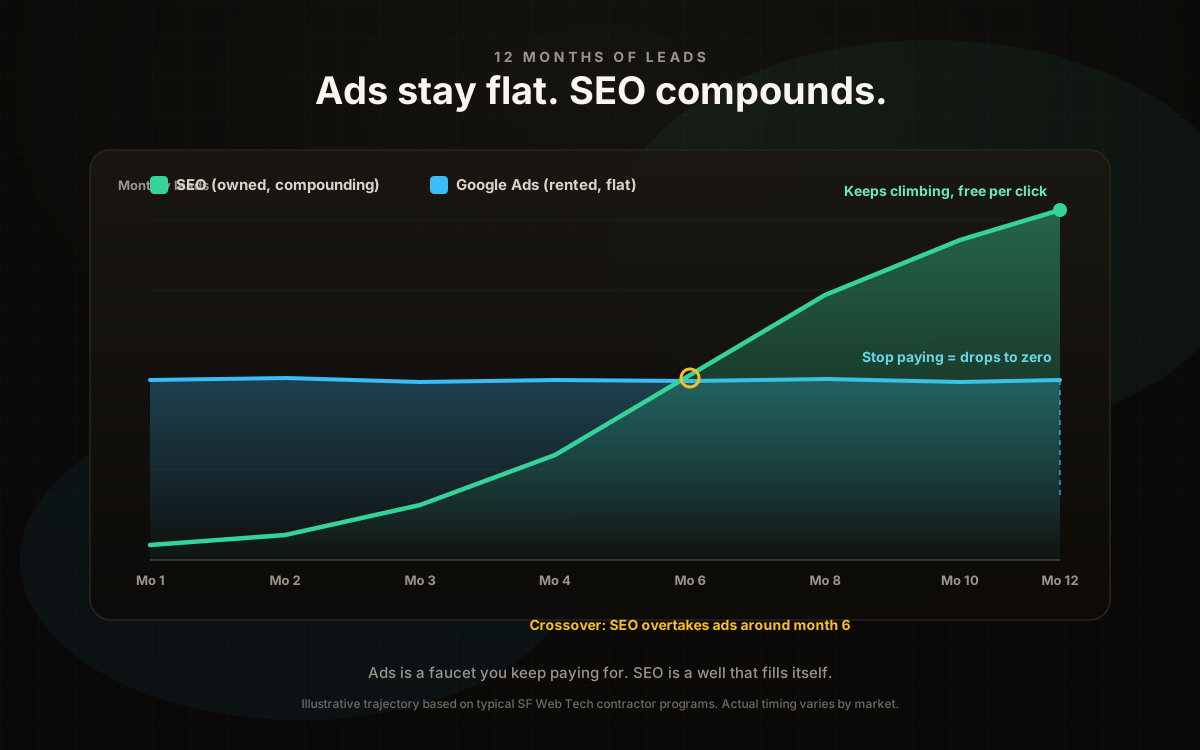
The catch is the timeline. SEO is a medium-term play, not a Monday-morning one. Here is the honest curve, month by month:
If anyone promises you #1 rankings in two weeks, walk away. That's not how the channel works, and we break the honest curve down in detail in how much contractor SEO costs.
How Google Ads works for contractors
Search ads can begin participating once the campaign and account are eligible and approved. They commonly charge for clicks, which may not become leads. Launching quickly is different from guaranteeing qualified calls or jobs in the same week.
That speed is exactly why ads are the right tool when you need volume now. But the model has a hard edge: it only runs while you're feeding it. The traffic is rented. The moment your daily budget is spent, your ads stop showing, and the moment you pause the account, the leads stop the same hour. There's no compounding. A click you paid for last month does nothing for you this month. Your cost per lead is roughly as high in year three as it was in week one, because you're paying the auction price every single time.
- One giant catch-all campaign
- Generic ads pointed at the homepage
- No conversion tracking
- No negative keywords, burning budget on junk clicks
- Tight, intent-matched ad groups
- Dedicated landing pages per service
- Full conversion tracking on every call and form
- Negative keyword lists protecting the budget
Advertising performance depends on tracking, offer, market, competition and fulfillment as well as account structure. Our portfolio includes Truscapes Deck Lighting, an e-commerce project whose revenue model differs from contractor lead generation. Keep management and media costs separate when evaluating either.
Compare paid campaigns using qualified inquiries, acquired customers and contribution after fulfillment. A historical e-commerce return should not be treated as a contractor lead-generation forecast.
30-minute strategy session. We'll look at your market and tell you whether to lead with ads, SEO, or both. No obligation.
Book your free discovery callHead-to-head: SEO vs Google Ads
Strip away the jargon and the two channels differ on four things that actually matter to a contractor: how fast you get leads, what each lead costs over time, whether the results last, and whether you own anything at the end. Here's the honest comparison.
Compare channels on scope, cost, controllability and measurement. Ads can be launched without waiting for organic ranking, but require ongoing media budget. SEO develops owned content and technical foundations, while visibility and costs can change over time. Neither channel guarantees a declining acquisition cost or steady leads.
The cost breakdown
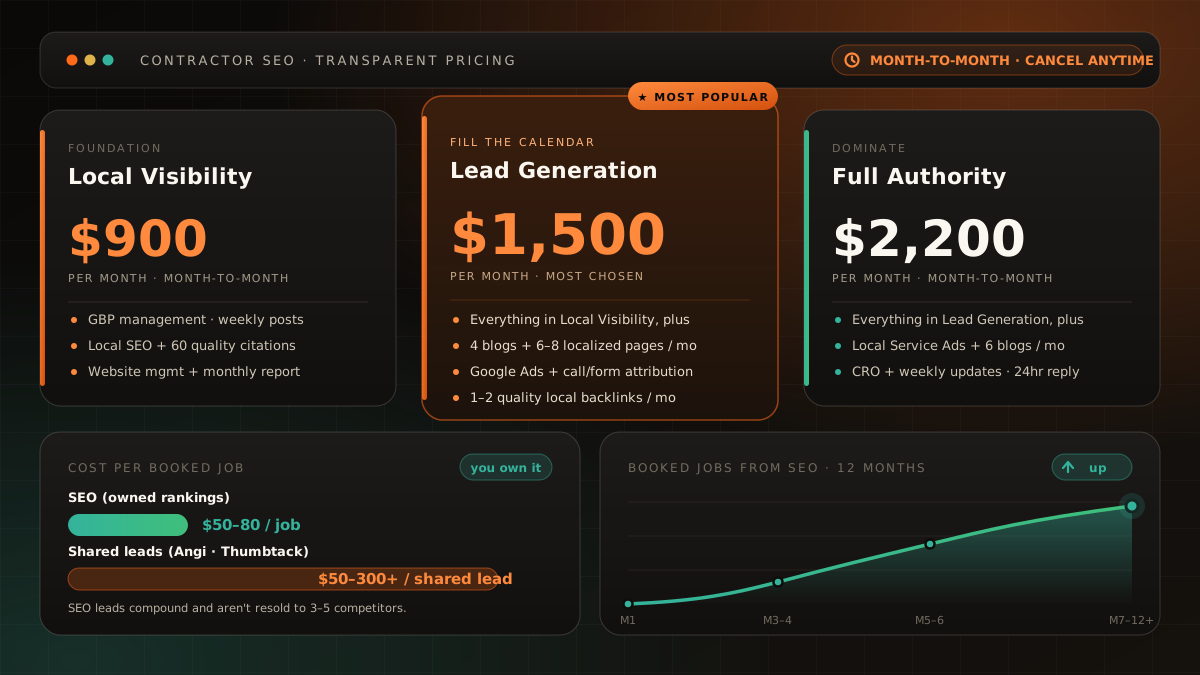
Lead Launch is $1,500/month for paid acquisition. Lead & Local Growth is $2,000/month for paid acquisition, a custom website and ongoing local marketing. Local Authority is $3,500/month for expanded content and local coverage. Advertising is separate, starting at $50/day. All packages are month-to-month. Review the scope and agreed lead target on the pricing page.
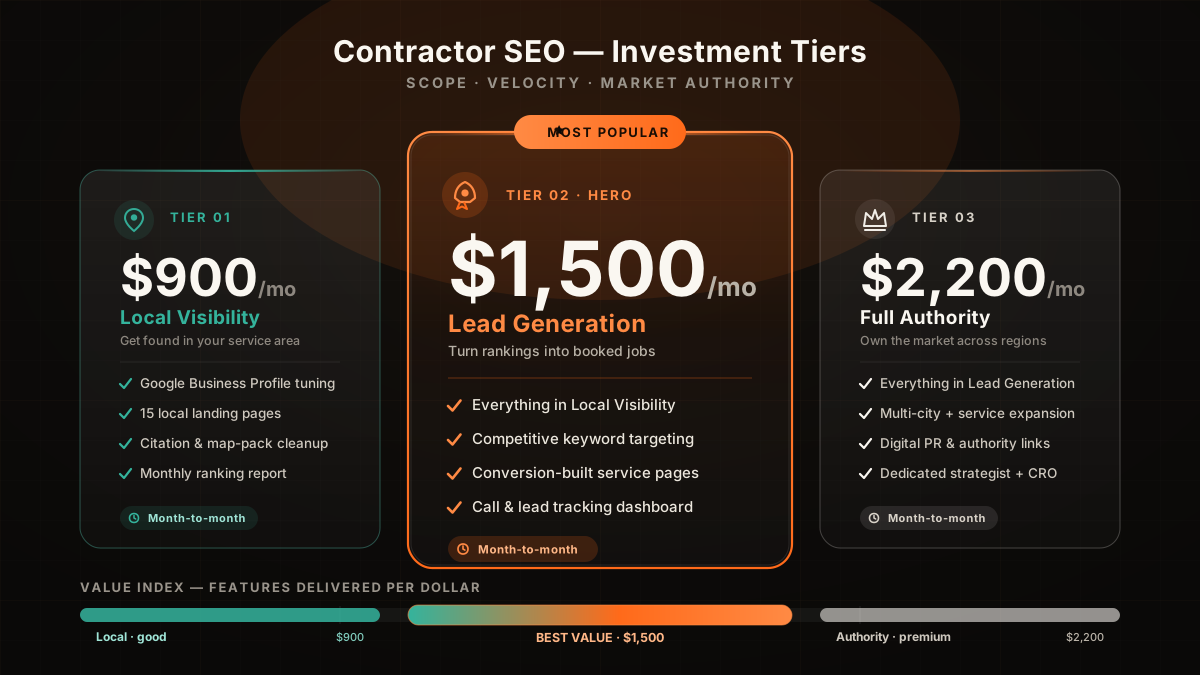
Management and media are separate. For example, Lead & Local Growth costs $2,000/month. A $50/day advertising budget adds approximately $1,500 over 30 days, for about $3,500 combined. You pay the advertising platform directly. Higher market costs may require more media budget. Maintain the agreed budget for the lead-target remedy.
A combined plan can test paid acquisition while improving owned assets. Adjust the agreed budget using qualified-lead evidence and capacity, and maintain the budget required by the written guarantee terms. Organic growth does not automatically replace media spend.
When to choose SEO only
SEO on its own is the right call when you're playing the long game and you can afford to be patient. If you've got steady work already, a service area worth owning, and the runway to invest for a few months before the leads ramp, putting everything into SEO builds the cheapest, most durable pipeline you'll ever have. You stop renting attention and start owning it.
- You're budget-conscious and want the lowest long-run cost per booked job, not the fastest.
- You already have enough work to survive the three-to-six-month ramp without panic.
- You're building a business you intend to own for years: rankings are equity, ad clicks are not.
- Your trade has real organic search demand (most home services do) that you can capture for free once you rank.
The honest catch: SEO-only means accepting that the first few months are quieter while the foundation sets. If that gap scares you, it's a sign you should layer in ads, not that SEO is the wrong destination.
When to choose Ads only
Ads can be useful for testing an offer or reaching customers while organic work develops. Eligibility, market costs, budget and follow-up still determine whether the test is suitable. No channel should be sold as guaranteed jobs this week.
- You need leads yesterday: cash flow won't wait three months for SEO to mature.
- You're seasonal: pool openings in spring, heating in fall, and you want to dominate the page only during your window.
- You're launching a new service or new market and need to test demand before investing in long-term rankings.
- You can't yet commit to a multi-month program but still need the phone to ring now.
- You already have enough work to ride out a 3-6 month ramp
- You want the lowest long-run cost per job, not the fastest leads
- You're building equity in a business you'll own for years
- You need jobs on the calendar this week
- You're seasonal and only want the page during your window
- You're testing a brand-new service or market fast
Just go in clear-eyed: ads-only is renting, permanently. The day you stop, the leads stop. It's a fantastic faucet and a terrible foundation, which is exactly why most contractors shouldn't stay here forever.
When to use both (the sweet spot)
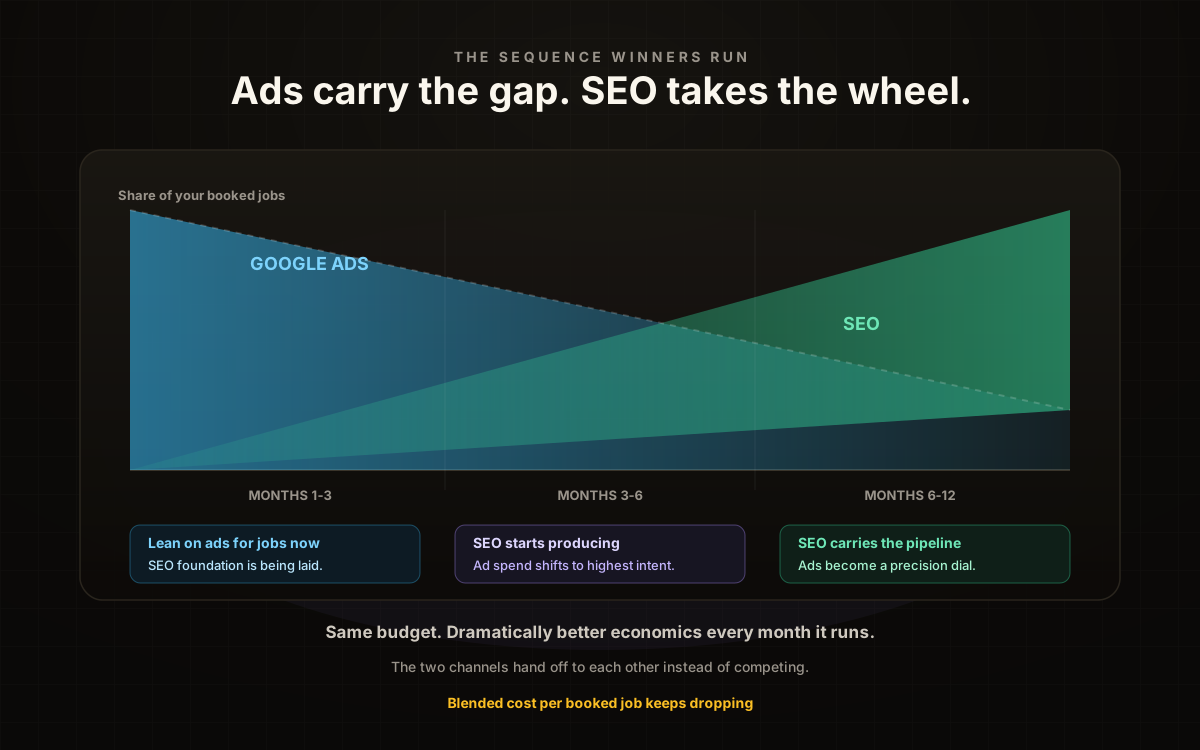
For most established contractors, the right answer isn't SEO or ads. It's both, sequenced on purpose. You start Google Ads on day one to generate jobs immediately, while SEO is still climbing in the background. Ads carry the load in months one through three when rankings haven't matured yet. Then, as SEO takes hold and starts producing free, exclusive leads, you dial the ad spend down toward only the most profitable searches. The two channels hand off to each other instead of competing.
Lead Launch at $1,500/month is paid acquisition only. Lead & Local Growth at $2,000/month and Local Authority at $3,500/month combine paid acquisition with website and organic work. Advertising is separate. The written lead minimum is agreed before payment; neither early bookings nor falling costs every month are promised.
The bottom line
Choose paid, organic or combined work from the business’s goals, budget, capacity and measurement plan. Ads do not guarantee jobs today and SEO does not guarantee cheaper jobs later. Compare actual qualified outcomes while maintaining the written scope and budget commitments.
“The contractors who win this debate stopped treating it as a debate. They run ads to fill the calendar today and build SEO so that a year from now they're paying a fraction per job of what their competitors still hand to Google every single week.”
The fastest way to know which mix is right for your business is a 30-minute discovery call. We'll look at your market, your budget, and your timeline, then tell you honestly where the first dollar should go, ads, SEO, or both, and roughly what to expect from each. No jargon, no pressure, just a straight answer you can act on.
30-minute discovery call. We'll map the right SEO-and-ads mix for your market and budget, and tell you exactly where to start.
Get a free strategy callSources and further reading
- Google Search: SEO Starter Guide
Crawlable links, descriptive page information and content organization. Practical trade examples are SF Web Tech recommendations.
Source checked .
- Google Search: creating helpful content
People-first writing, useful original information and the absence of a preferred word count. Does not substantiate a client result.
Source checked .