A homeowner finds a crack running from the corner of a window down the side of the house. She does not search for a stucco contractor. She searches stucco crack repair cost, then EIFS moisture problems, then stucco inspection near me over the next three days as her worry escalates. Your site has one beautiful Services page that mentions all of it in a single paragraph. Google reads that page, cannot tell what it is actually about, and ranks it for nothing she typed.
This is the quiet failure of most stucco and EIFS sites. The photography is clean, the design is modern, and the phone still does not ring for the high-value work. The problem is not how the site looks. It is that install, repair, and moisture remediation are three separate buying journeys, and blending them onto one page tells the search engine you are an expert at none of them.
Why the Blended Stucco Page Needs Clearer Service Information
Repair, installation, remediation and inspection can involve different customer questions. Separate them when the business genuinely offers distinct services and has enough useful information for each. A focused page can explain scope more clearly, but one broad page does not automatically prevent rankings and adding URLs alone does not create authority.
There is a second cost that is easy to miss. The three journeys are emotionally different. Someone pricing new construction stucco is comparing finishes and cost per square foot. Someone who just learned EIFS can trap water in the wall is scared and wants proof you can find and fix hidden damage. A single page cannot speak to a calm shopper and a frightened homeowner in the same breath. It compromises, and a compromised message converts worse than a sharp one, even on the rare visit it earns.
The structural reasons a good-looking site stays invisible.
See why your contractor website is not rankingThree Buyers, Three Journeys, Three Pages
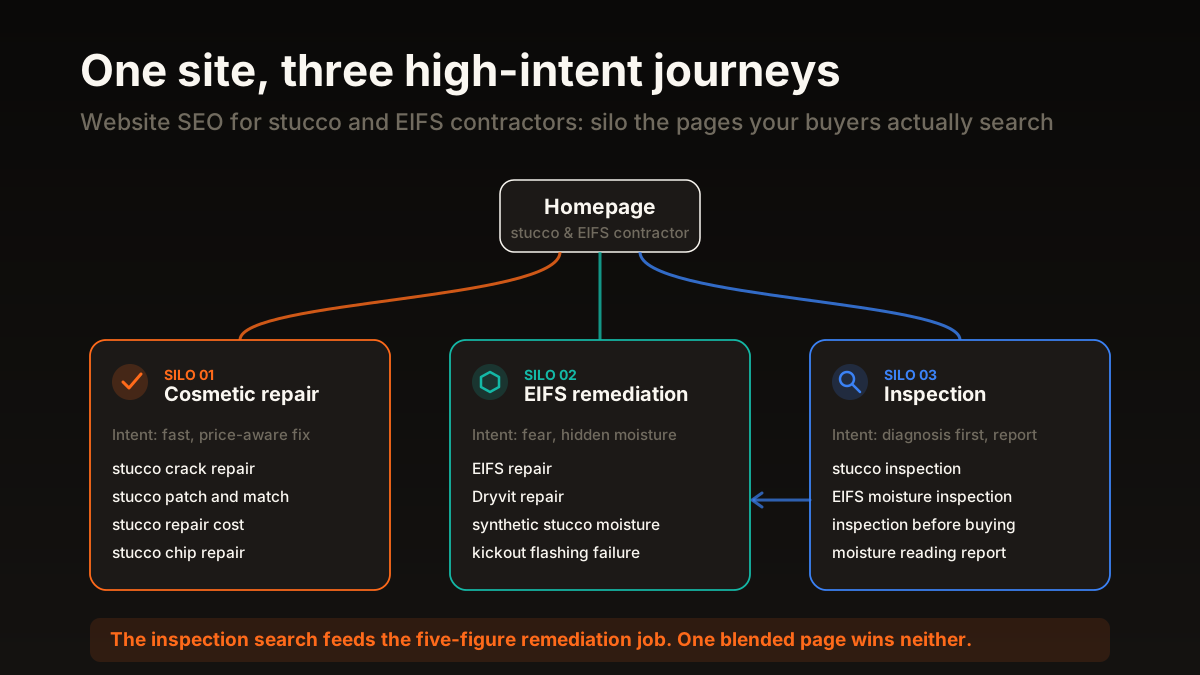
Before you touch a single page, get clear on who is searching and what they are afraid of. Stucco and EIFS work splits into three distinct buyers, and each one deserves its own page built around its own intent. Collapse them and you serve none of them well.
Notice that inspection often comes first and feeds the other two. A homeowner books an inspection, the report finds moisture behind the EIFS, and that same person becomes a remediation lead. Your site should mirror that path: an inspection page that ranks for the anxious first search, then a clear route into the remediation page that closes the bigger job.
“The stucco company that wins the expensive remediation job usually won the cheap inspection search first. One page for both means you win neither.”
How to Build Siloed Service Pages
A silo is a dedicated page for one service, supported by focused content that all points back to it. The stucco version is three parent pages, cosmetic repair, EIFS moisture remediation, and inspection, each with its own URL, its own title, and its own supporting articles. This is the same architecture that works for every specialized trade, applied to the specific fault lines of stucco work.
A useful service structure lets a reader identify whether they need an inspection, a repair estimate or a discussion about broader work. Link each substantial page from a service hub, show authorized project evidence and leave property-specific diagnosis to qualified professionals.
- Give each silo its own clean URL, such as /stucco-repair, /eifs-moisture-remediation, and /stucco-inspection, so the structure is obvious to both Google and the visitor.
- Write one title tag and one H1 per page that names the exact service and the buyer's problem, not your company name.
- Add technical depth the template sites skip: how moisture gets behind EIFS, where failures start, and how you diagnose them.
- Create supporting articles, such as a kickout flashing explainer or a crack-type guide, and link each one up to its parent silo.
- Keep installation content on its own install page so it never competes with your higher-margin repair and remediation pages.
Site structure engineered around how your buyers actually search.
How we architect contractor websites that rankKeyword Mapping Per Silo
Once the three pages exist, each one needs a clean cluster of keywords so there is no overlap and no cannibalization. The rule is simple: one dominant intent per page, everything else supports it. Map the terms before you write so two pages never fight over the same query.
The same silo playbook, applied to a related trade.
How concrete contractors win website SEOThe Content Format That Converts
Ranking is half the job. The page also has to turn an anxious searcher into a booked call, and the format that does this is technical, specific, and honest about the problem. Generic reassurance loses. A page that clearly understands failure diagnosis wins, because it proves you have seen the exact problem staring back at the homeowner from their own wall.
The cost content matters most on the remediation page. A homeowner who has read that early moisture repair runs into the hundreds while intrusion left for years climbs into the tens of thousands is motivated to act now, and motivated to call the contractor who explained it plainly. Fear handled with facts is the most reliable converter in this niche.
Siloed architecture, technical content, and the rankings that follow.
See our full SEO service for contractorsWhat the Blended Page Actually Costs You
Prioritize the services the company can substantiate and fulfill. A focused remediation or inspection page may help a suitable prospect understand the next step; verify that through inquiry quality rather than assuming every missing page represents lost revenue.
Review the questions received by the office, the services in completed estimates and the evidence available for publication. Use those records to choose the next page. Revisit performance after the page is discoverable and has received enough relevant visits to assess.
The fix is not a redesign. It is a re-architecture. Split the one page into three, give each buyer the page they are actually searching for, add the technical content generic templates never include, and map the keywords so the silos reinforce instead of cannibalize each other. The site can even look exactly the same. It just has to be built around three journeys instead of one.
Structure and conversion lessons that carry straight over to stucco.
How siding contractors win with website designAnother trade that lives or dies on service page architecture.
And the masonry contractor website playbookWe map your repair, remediation, and inspection silos and build the pages that rank.
Book a call and get your stucco site siloedSources and further reading
- Google Search: SEO Starter Guide
Crawlable links, descriptive page information and content organization. Practical trade examples are SF Web Tech recommendations.
Source checked .
- Google Search: creating helpful content
People-first writing, useful original information and the absence of a preferred word count. Does not substantiate a client result.
Source checked .